
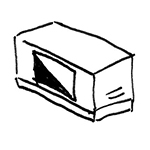
"An uninterruptible power supply (UPS) is used to ensure the power supply to critical electrical loads in the event of power grid disruptions. This should be distinguished from a general backup power supply (AEV, also known as a "standby power system"), as the latter causes a brief interruption in power supply during the switchover."
UPS units are therefore primarily used in hospitals, control centers, modern railway signal boxes, and data centers, but are now also found in small offices and homes. They are connected to the power supply line of the systems or devices they are designed to protect.
"Contrary to the exact wording of the term, in simple UPS designs, the power supply may be interrupted for a brief period of time that the connected loads can tolerate without any loss of function. Normally, however, this period lasts only a few milliseconds."
Source: WIKIPEDIA
Depending on the type and intended use of the installations, it is necessary to provide for a UPS system in the building. The use of UPS systems, the required capacity, and any necessary monitoring must be coordinated with the building owner.
Presentation

In this phase of the project, the UPS system is positioned as a 2D element on the floor plan.
Features
The characteristics to be defined in this phase should be added in the same way as in the "Distribution List" article.
Labeling
At this stage, the component is not yet labeled in the plan view. However, it is recommended that the UPS system be identified as such to avoid confusion with the UPS distribution cabinet or the bypass switch.
Instructions
During this phase of the project, only the distribution boxes relevant to the building shell will be installed—that is, those that require their own spaces or niches.
The UPS systems are modeled during the design phase.
UPS systems can be divided into the following categories:
- VFD (Voltage and Frequency Dependent or Offline UPS)
- VI (Voltage Independent or Grid-Interactive UPS)
- VFI (Voltage and Frequency Independent or Online UPS)
Presentation
Plan view
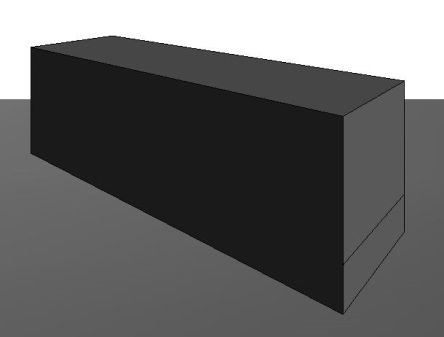
Model representation
Features
The characteristics to be defined in this phase should be added in the same way as in the "Distribution List" article:
- Reactive power output
- Input voltage level
- Output voltage level
- Short-circuit current, single-phase
- Short-circuit current, 3-phase
Labeling
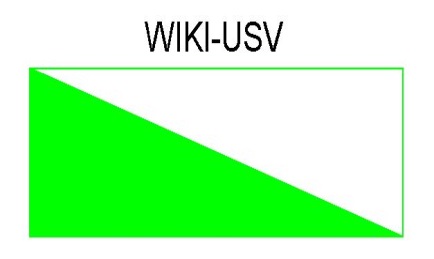
The labeling is done in the same way as for the distribution boards.
Instructions
The creation and description of UPS systems follow the same procedure as for distribution panels.
The UPS system and its associated batteries must be described in the technical report.
Presentation
In this phase of the project, there is no difference between the plan and model representations and those in the preliminary design.
Features
The characteristics to be defined in this phase should be added in the same way as in the "Distribution List" article.
Labeling
No additional labeling information is required at this stage of planning.
Instructions
The creation and description of UPS systems follow the same procedure as for distribution panels.

Unfortunately, this content is available only to our Pro users.
If you'd like to read the full article, try the Pro account or become a Pro user.